How to Enter the African Market as a Foreign Energy Company
Africa is one of the biggest growth opportunities in global energy, but it rewards companies that treat it as many markets rather than one. Here is how to build a realistic entry plan.

Why renewable energy investment is growing across the continent
More than a billion people live across the continent, and hundreds of millions still lack reliable electricity. Populations are young, cities are growing quickly, and industry is expanding faster than power networks can keep up.
That gap creates demand for solar, battery storage, mini-grids, electric vehicles and charging infrastructure. Costs for clean technology have also fallen sharply, so renewable solutions now compete on price with diesel generators in many places, not just on sustainability.
Why energy markets differ from one country to the next
The most common mistake is planning for "Africa" as a whole. Fifty-four countries mean fifty-four sets of rules, currencies, tariffs and buying habits. A strategy that works in Kenya may fail in Nigeria or South Africa.
Pick one or two priority countries and go deep. Look at electricity access, grid reliability, fuel import dependence, government targets and the pace of private investment. Regional blocs such as ECOWAS, the East African Community and SADC, along with the African Continental Free Trade Area, can help you expand later once you have a foothold.
Matching solar, battery storage and EV charging solutions to local demand
Strong products fail when they ignore local conditions. Heat, dust, unstable voltage, poor roads and long supply lines all shape what works. Commercial and industrial customers often want to cut diesel costs, while rural communities may need off-grid systems that run reliably with little maintenance.
Ask what problem you are solving before you quote a price. A solar and storage package that keeps a factory running through outages sells far more easily than a generic catalogue item. Serviceability matters just as much as specifications, because buyers remember who answers the phone after the sale.
Finding a reliable local distributor or installation partner
Almost every successful foreign entrant leans on a strong local partner. A good distributor or installer understands customs, knows the buyers and can provide after-sales support in the language and context your customers expect.
Vet partners carefully. Ask for references, check their financial health, and look at the other brands they represent. Agree performance targets, territory and exclusivity in writing. Many companies start with a distributor in one country, prove demand, then move towards a joint venture or their own subsidiary as volumes grow.
Energy licensing, import standards and local content requirements
Every country regulates energy differently. Some require licences for generation or distribution, others focus on import standards, and many are introducing local content requirements to encourage domestic manufacturing and jobs.
Rules shift often, so rely on current official sources and local legal advice rather than older guides. Check product certification, duty treatment and tender conditions before you commit to a price. Markets such as Ethiopia show how quickly policy can open new opportunities in solar, storage and electric mobility, which is why staying close to regulators pays off.
Handling foreign exchange risk and project financing
Foreign exchange availability and currency swings are among the biggest practical risks for suppliers. A strong order means little if the buyer cannot access hard currency to pay you.
Protect your margin with letters of credit, staged payments or deposits, and price contracts with currency movement in mind. For larger projects, development finance institutions, export credit agencies and impact investors can help close funding gaps. Bankable projects with proven local partners attract capital far more easily than speculative ones.
Building business relationships in emerging energy markets
Business across much of Africa depends on personal relationships. Introductions, reputation and repeat contact count for more than a polished email. Decision makers want to meet the people behind the product and judge whether you will still be there when something goes wrong.
Plan for long sales cycles, invest in regular visits and hire or appoint people who know the local market. Early references from private sector customers such as factories, hotels, farms and telecom operators will also make it easier to win larger public tenders later.
Testing new markets through energy trade shows and exhibitions
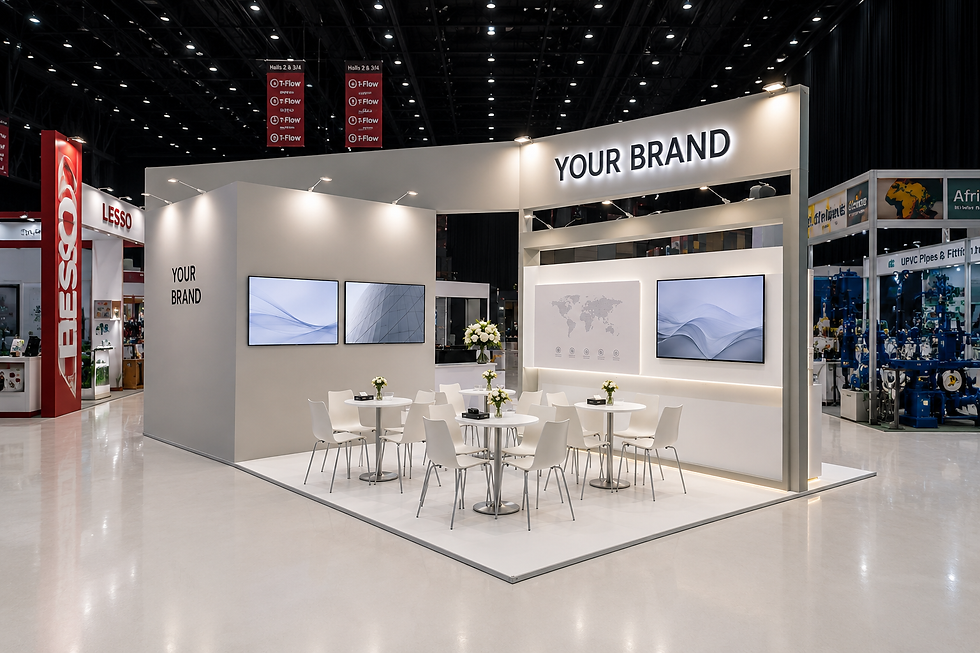
Trade exhibitions compress months of outreach into a few days. In one visit you can meet distributors, compare your pricing with competitors, hear directly from policymakers and learn what buyers really need.
They also work as low-risk market tests. Before opening an office or shipping stock, you can gauge demand, collect leads and start partner conversations. For deeper reading on regional trends and market entry, the energy and mobility insights section is a useful place to keep up with new developments.

Take your first step into the East African energy market at AGMEX 2027
AGMEX brings together international solar, battery storage, electric vehicle and charging companies with local importers, developers, investors and government decision makers. It takes place from 25 to 27 February 2027 at the Addis International Convention Centre, in one of the continent's most closely watched energy markets.
Exhibitors use the show to appoint distributors, form partnerships and learn how the market works on the ground, while visitors source products and meet suppliers for their own projects.
Book your space to put your technology in front of buyers and partners
Register to visit to explore the market before committing
Become a speaker to share your expertise with the conference audience
Plan your trip to Addis Ababa with venue and travel information
Ready to turn interest into real African partnerships? Book your stand at AGMEX 2027 and meet the people who will help you grow.


Comments