Attend & Participate
Explore
News & Insights
GET IN TOUCH
Location
Addis Ababa, Ethiopia
© 2026 AGMEX Intl Conference

AFRICA'S ENERGY SHIFT STARTS HERE
ETHIOPIA'S ENERGY TRANSITION HAS ALREADY STARTED
A market where electric mobility, charging infrastructure, solar power, energy storage and industrial electrification are moving from future opportunities to immediate requirements.
A MARKET IN TRANSITION
About Ethiopia market
Ethiopia is entering a period of profound change. Africa's second most populous country is investing heavily in power generation, urban infrastructure, agriculture, mining and industrial development - while simultaneously pursuing one of the world's most ambitious transitions away from imported fossil fuels.
The result is a market where electric mobility, charging infrastructure, solar power, energy storage and industrial electrification are moving from future opportunities to immediate requirements. For the companies supplying these technologies, Ethiopia deserves attention.

Numbers
Ethiopia at a glance
135.9M
POPULATION
Africa's second most populous country -
a rapidly growing consumer and labor base.
USD 126B+
ECONOMY
World Bank GDP estimate for 2025.
9.2%
PROJECTED REAL GDP GROWTH
IMF projection for 2025/26.
~60%
EMPLOYMENT IN AGRICULTURE
Agriculture remains fundamental to livelihoods
and the national economy.
95%+
RENEWABLE POWER CAPACITY
Installed electricity capacity is overwhelmingly renewable, led by hydropower.
5,000+ MW
GERD CAPACITY
The Grand Ethiopian Renaissance Dam materially expands domestic renewable generation.
THE TRANSITION HAS ALREADY STARTED
From imported fuel
to electricity
Ethiopia's shift away from fossil fuel is economic, not just
environmental. The country still imports the majority
of its fuel - while generating almost all its electricity
at home, from renewable sources.
2024
first national ban on ICE vehicle imports
USD 3.6B
2024 fuel import bill
100,000+
EVs already on the road

Import less fuel.
generate more electricity locally. electrify transport, industry
& everyday life.
In 2024, Ethiopia became the first country to ban imports of petrol and diesel vehicles.
Its National E-Mobility Strategy (2025-2030), launched in 2026, sets the roadmap
for EV adoption, charging infrastructure and local manufacturing.

200 of 1,176 required
ADDIS ABABA CHARGING STATIONS
national target: 2,230 fast-charging stations,
incl. the Addis Ababa-Djibouti corridor
a clear investment gap
electric vehicles are arriving faster than the infrastructure
Public and private charging is appearing across Addis Ababa - but supply is far behind demand, and the gap opens the market to new suppliers.
where the gap is:
AC and DC charging
Ultra-fast charging
Fleet and commercial hubs
Solar carports and storage
Energy management
Payment systems
Installation and maintenance
Grid infrastructure
URBAN CORRIDOR DEVELOPMENT
75 cities being transformed
Ethiopia's urban corridor programme is reshaping its cities — new roads, public spaces and infrastructure, expanding from Addis Ababa to the rest of the country. For clean-energy suppliers, that growth opens a parallel opportunity.
what the corridors need:
EV charging infrastructure
Solar-powered public lighting
Smart energy management
Electric municipal vehicles
Electric buses, commercial vehicles
Energy storage
Solar carports
Modern grid and distribution

75 cities
WITH CORRIDOR DEVELOPMENT UNDERWAY
*reported by Ethiopia's Ministry of Urban and Infrastructure, March 2026

industrial electrification
mining's next resource is power
Ethiopia holds deposits of gold, lithium, tantalum, potash and other industrial minerals — and the government wants mining to become a far larger part of the economy. Most sites sit far from reliable grid power, creating a natural market for solar-battery-diesel hybrid systems.
what remote sites need:
Exploration camps
Water pumping
Crushing and processing
Workshops and labs
Lighting & comms
Worker accommodation
Remote monitoring
Hybrid microgrids

2%
14%
targeted share of GDP from mining by 2030
WHY THE MARKET MATTERS
The opportunity is the gap
Ethiopia already has the scale, the growth and one of Africa's cleanest power systems. What it doesn't yet have is the infrastructure to connect it.
More charging
More solar
More storage.
More distribution
More investment
SOLAR
A renewable giant,
with a solar market
still to build
1,350 GW
theoretical solar generation potential
5.2 kWh/m²
avg. daily solar irradiation
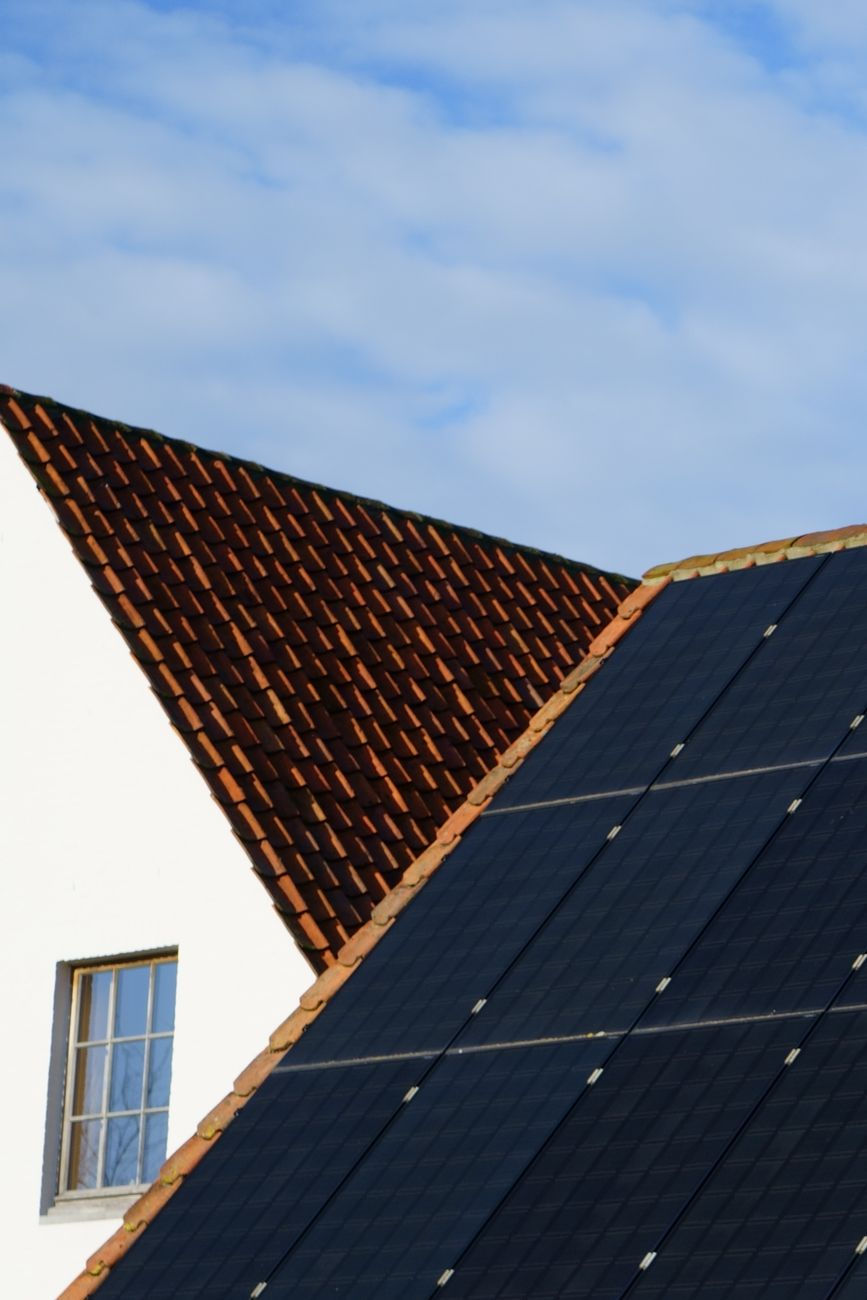
Ethiopia is known for hydropower — but its solar resource is enormous and still largely untapped. In 2025, the country commissioned its first grid-connected rooftop solar installation, a model for wider adoption across homes and businesses.
where solar is needed:

Business & institutional
Solar plus storage reduces reliance on diesel backup and gives hotels, factories and offices more control over their own power.
Rooftop solar
Battery storage
Microgrids
Energy management
Homes
35.7% of households already rely on off-grid solar — while an estimated 71 million Ethiopians still lack sufficient electricity access.
Solar home systems
Mini-grids
ay-as-you-go finance
Lighting
.png)
Agriculture
Solar irrigation receives 70% government support, versus 40% for diesel — a major shift for a sector still largely rain-fed.
Solar water pumping
Drip irrigation
Cold storage
Electric farm equipment

Coffee
Solar drying cuts processing time by up to 50% for Ethiopia's five million smallholder coffee farmers.
Sun coffee drying
Washing station pumping
Processing power
Remote battery storage