How to Enter the Ethiopian Market as a Foreign Energy Company

Ethiopia is opening up fast to solar, storage, EV and charging companies, but the ones that win are the ones that prepare properly. Here is a practical route in, from first research to first contract.
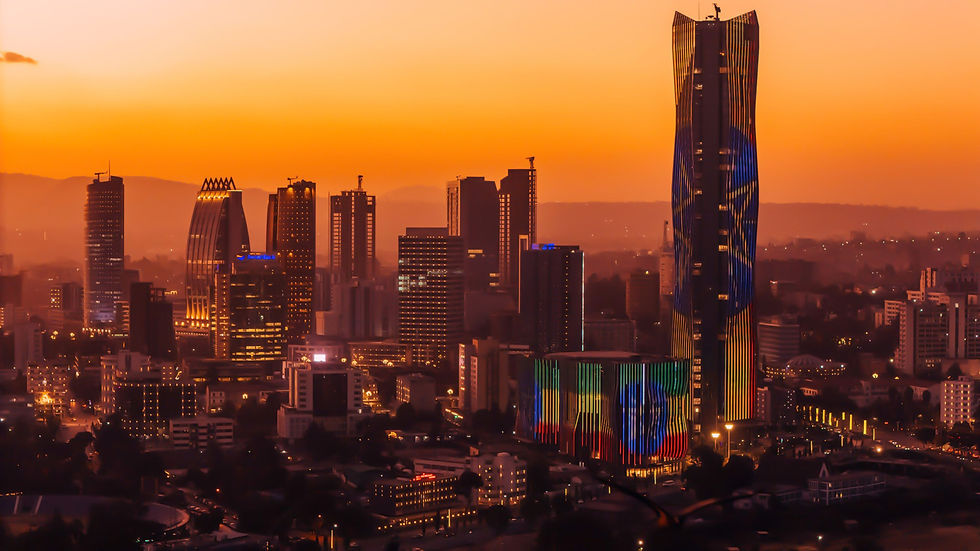
Why foreign energy companies are looking at Ethiopia
With more than 135 million people, Ethiopia is one of the largest consumer markets in Africa, and its electricity is generated almost entirely from renewable sources, mainly hydropower. Demand is outrunning supply, though. Millions of people still lack reliable access, industrial users face outages, and many businesses lean on diesel generators to stay open.
That gap is the opportunity. Policy is also moving in your favour, with the government pushing electrification, restricting the import of petrol and diesel passenger vehicles and encouraging private investment in generation. If you want a broader picture of the sectors involved, the Ethiopia energy and mobility market overview is a good place to start.
Who regulates energy in Ethiopia
Before you talk to a single customer, learn which institutions decide what. The Ministry of Water and Energy sets sector policy, the Ethiopian Energy Authority handles regulation and licensing, and Ethiopian Electric Power and Ethiopian Electric Utility control generation, transmission and distribution. For electric vehicles and charging, the Ministry of Transport and Logistics plays a central role.
Rules change often, so confirm current licensing requirements directly with the relevant bodies instead of relying on older guides. A short call with a local legal adviser at this stage can save months later.
Choosing between a local partner, a distributor and your own entity
Most foreign companies enter in one of three ways. Each has trade-offs, and the right choice depends on your product, budget and appetite for risk.
Local distributor or agent. The fastest and cheapest start. A good distributor already holds customer relationships, handles customs and offers after-sales support. The risk is dependence on a single partner, so agree performance targets and exclusivity terms carefully.
Joint venture or local partnership. Useful for larger projects, especially where local content or government relationships matter. It demands more trust and a solid legal agreement.
Registered branch or subsidiary. Gives you full control and a permanent presence, but it requires registration through the Ethiopian Investment Commission and a bigger upfront commitment.
Many companies begin with a distributor, prove demand, then move to a more permanent structure once volumes justify it.
Navigating import duties, standards and customs
Duty treatment varies by product category. Solar equipment and electric vehicles have historically received favourable treatment, while other items may not, and the rules are revised from time to time. Check the current duty and tax position for your exact product codes before you quote a price, because a wrong assumption can erase your margin.
Standards matter just as much. Products generally need to meet Ethiopian conformity requirements, which are administered through bodies such as the Ethiopian Conformity Assessment Enterprise. Ask your partner early what testing, certification and documentation your equipment will need, and build the lead time into your delivery schedule.
Dealing with foreign currency and payment risk
Access to foreign exchange has been one of the biggest practical challenges for suppliers selling into Ethiopia. The country moved to a more market-based exchange rate in 2024, which has improved transparency, but banks can still take time to process foreign currency payments.
Protect yourself with clear payment terms. Letters of credit, staged payments and advance deposits are all common, and your local partner should be able to explain what banks currently expect. Never assume a large order will be paid on your usual terms without confirming how the buyer will source hard currency.
Winning customers in the public and private sectors
Ethiopia's buyers fall into two broad groups. Government bodies and utilities run large tenders for generation, grid and public transport projects, and these reward patience, local relationships and proven references. Private buyers such as factories, hotels, farms, coffee processors, telecom operators and fleet owners move faster and are often easier to reach first.
A smart approach is to land a few private sector projects, build a track record in Ethiopia, and then use those references when you pursue larger public tenders. Tailor your offer to local conditions too. Equipment that handles unstable voltage, heat and long supply lines will always stand out against generic specifications.
Why meeting buyers face to face still decides deals
Ethiopian business culture values personal relationships. Emails and cold calls rarely build the trust needed for a large equipment order or a distribution agreement. Sitting down with a decision maker, showing your product and answering questions in person shortens the sales cycle dramatically.
That is why trade exhibitions remain one of the most efficient market entry tools. In a single visit you can meet prospective distributors, compare notes with competitors, hear from policymakers and test whether your pricing holds up.

Meet Ethiopian partners at AGMEX 2027 in Addis Ababa
If you are serious about entering Ethiopia, AGMEX is built for exactly that. Taking place from 25 to 27 February 2027 at the Addis International Convention Centre, it brings together international technology providers with local importers, developers, government institutions, investors and end users across solar, battery storage, electric vehicles and charging infrastructure.
Exhibitors use AGMEX to appoint distributors, form partnerships and understand how the market really works, while visitors discover products and suppliers for their own projects.
Book your space to showcase your solutions in front of Ethiopia's energy and mobility decision makers
Register to visit if you want to explore the market and meet potential partners first
Become a speaker and share your expertise with the conference audience
Plan your trip to Addis Ababa with our travel and venue information
Ready to take the first step? Book your stand at AGMEX 2027 and start building your Ethiopian business face to face.
Comments